

Canine Bloat (GDV): The Subtle Warning Signs Every Dog Owner Must Know
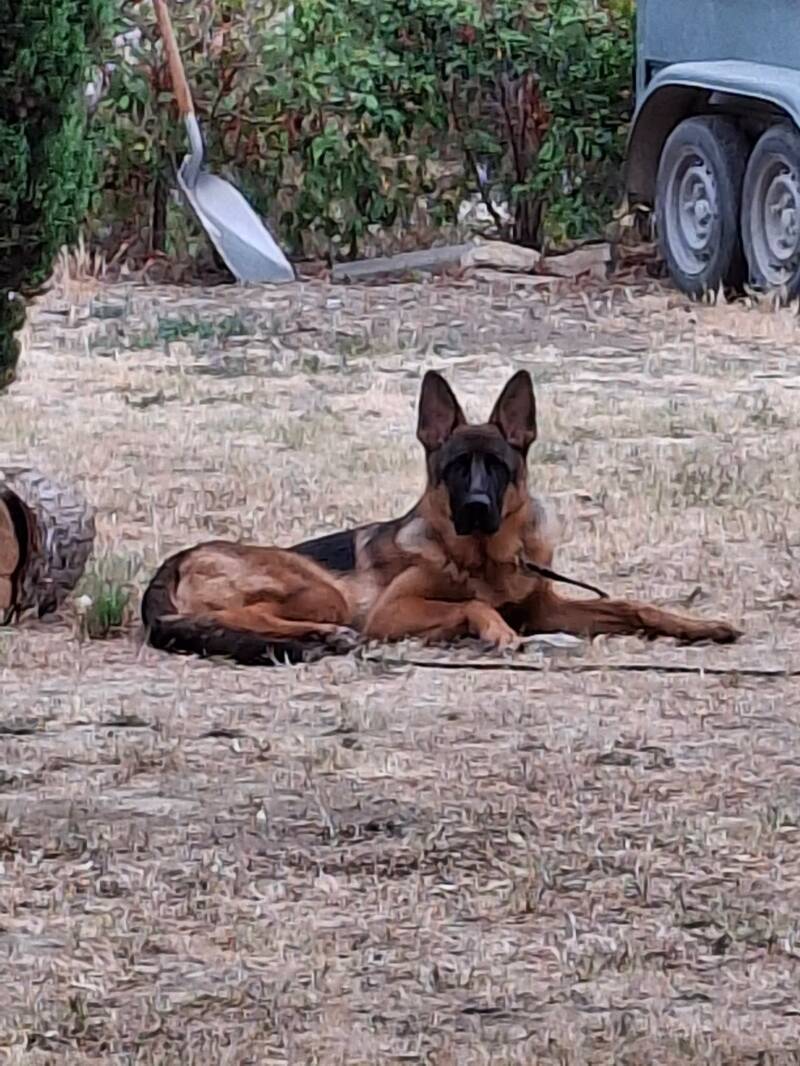
Bloat is every dog owner's nightmare, but many of us assume it only happens to older dogs who gulp down massive meals. Recently, our six month old puppy, Arlo, went through an emergency life saving surgery for bloat completely out of nowhere.
We are sharing our story—originally posted on our My Life in Languedoc Facebook Page—to help other dog parents spot the early signs, navigate emergency vet care in France, and manage the recovery process.
What Exactly is GDV (Bloat)?
In medical terms, bloat is known as Gastric Dilation Volvulus (GDV) with Torsion.
It occurs when gas, food, or liquid expands inside the dog's stomach, causing it to twist (torsion). This twisting cuts off critical blood supply to vital organs very quickly, causing tissue death (necrosis) within hours.
During Arlo's emergency surgery at SOS Vets in Carcassonne, surgeons successfully untwisted his stomach and performed a gastropexy (tacking the stomach to the abdominal wall to prevent future twisting). However, because GDV progresses so rapidly, he still lost his spleen to necrosis.
Recognizing the Symptoms: What to Watch For
The classic signs of GDV do not always appear all at once. Arlo did not display the typical textbook warning signs until his condition was already severe.
Crucial Tip: If your dog is retching without bringing anything up, treat it as an immediate medical emergency. Do not wait to observe further symptoms.
Causes and Prevention Strategies
While deep chested breeds (like German Shepherds or Great Danes) and older dogs (aged 7+) are at a much higher risk, bloat can strike any dog at any age.
High Risk Factors
-
Genetics: Dogs with a first degree relative who suffered from GDV have a 60 percent higher risk of developing the condition.
-
Eating Habits: Rapid eating, large single daily meals, or drinking huge amounts of water quickly.
-
Exercise Timing: Intense physical activity within one hour before or after eating.
-
Stress & Anxiety: High stress environments or separation anxiety can increase risk.
Daily Prevention Tips
-
Divide Meals: Feed 3 to 5 smaller portions throughout the day rather than one or two large meals.
-
Rest After Eating: Enforce at least one hour of quiet rest before and after meals.
-
Pacing Systems: Use slow feeder bowls or puzzle mats to prevent gulping (if your dog tolerates them).
-
Know Your Emergency Contact: Save your nearest out of hours emergency vet number in your phone before you need it.
Essential Vet & Aftercare Tips for Owners
If you ever find yourself facing an emergency surgery with your pet, here are a few things we learned along the way:
Navigating Strict Recovery
Recovery after a gastropexy requires absolute commitment to strict rest:
-
Leash Only: Garden visits on a short lead only for toilet breaks for at least two weeks. No stairs, jumping, or rough play.
-
Mental Stimulation: Swap physical exercise for gentle sniffing games and simple puzzle games to expend energy.
-
Dietary Adjustments: Transition from wet food to kibble gradually while keeping meals small and frequent permanently.
Arlo is back on his feet and slowly gaining his strength back, but speed was the single factor that saved his life.
For more updates on our life, travel, and recovery adventures in the South of France, follow along on our My Life in Languedoc Facebook Page.
Add comment
Comments